Phase One: Genesis | Prototype
I entered the residency without a finished work, carrying only an unstable idea that had not yet taken form. The “Genesis” phase was not a clearly defined stage, but rather a condition of disorder shaped by questions rather than answers. The project did not begin as a visual outcome; instead, it started as an internal tension around a central inquiry: how is an artist born, not in a biological sense, but as a form of consciousness. The initial days were not focused on production, but on dismantling assumptions—about beginnings, identity, and the relationship between body, sound, and light. Writing drafts, defining the project’s stages, and mapping the audience journey were not procedural steps, but attempts to understand where an experience truly begins.
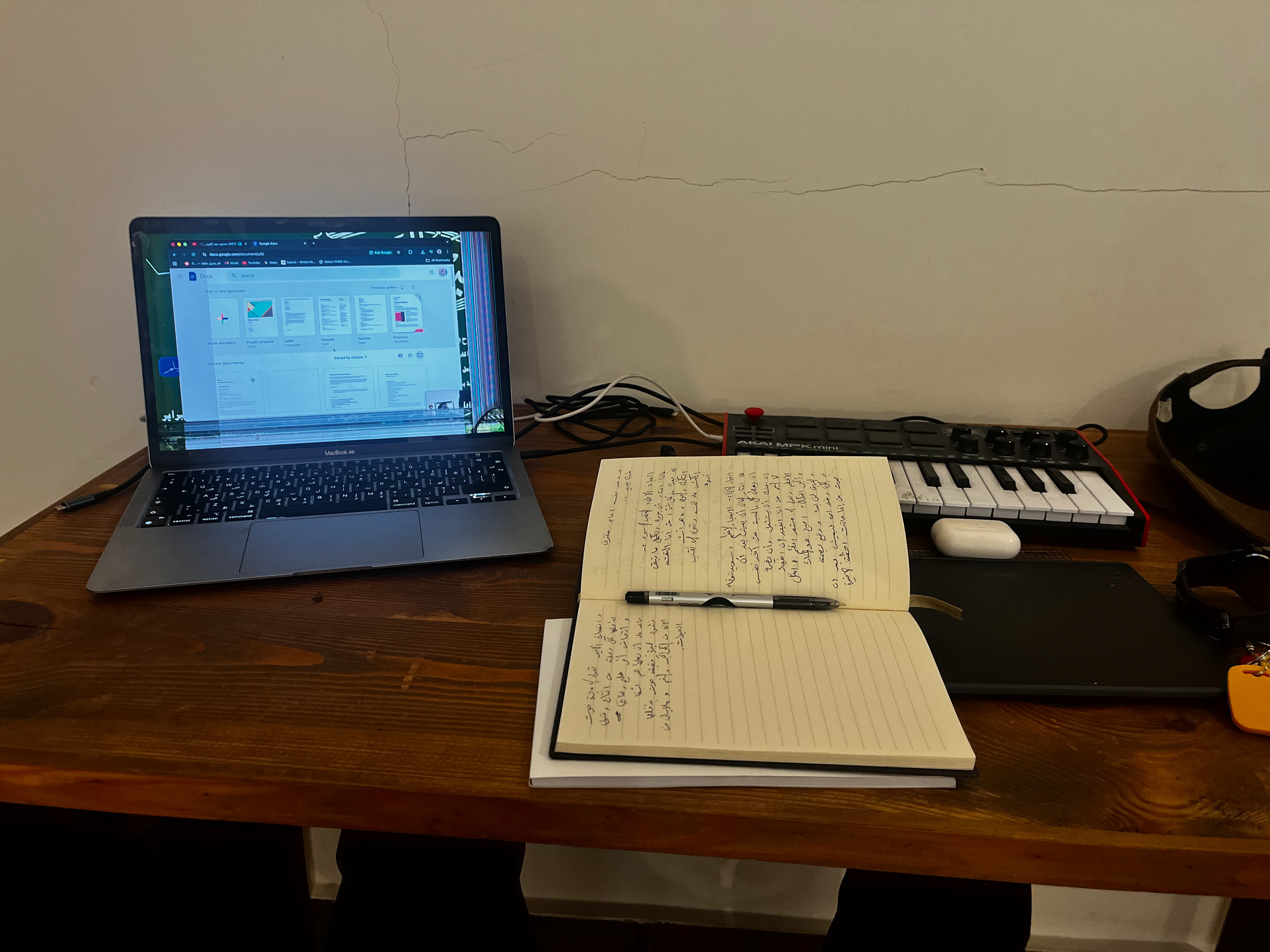
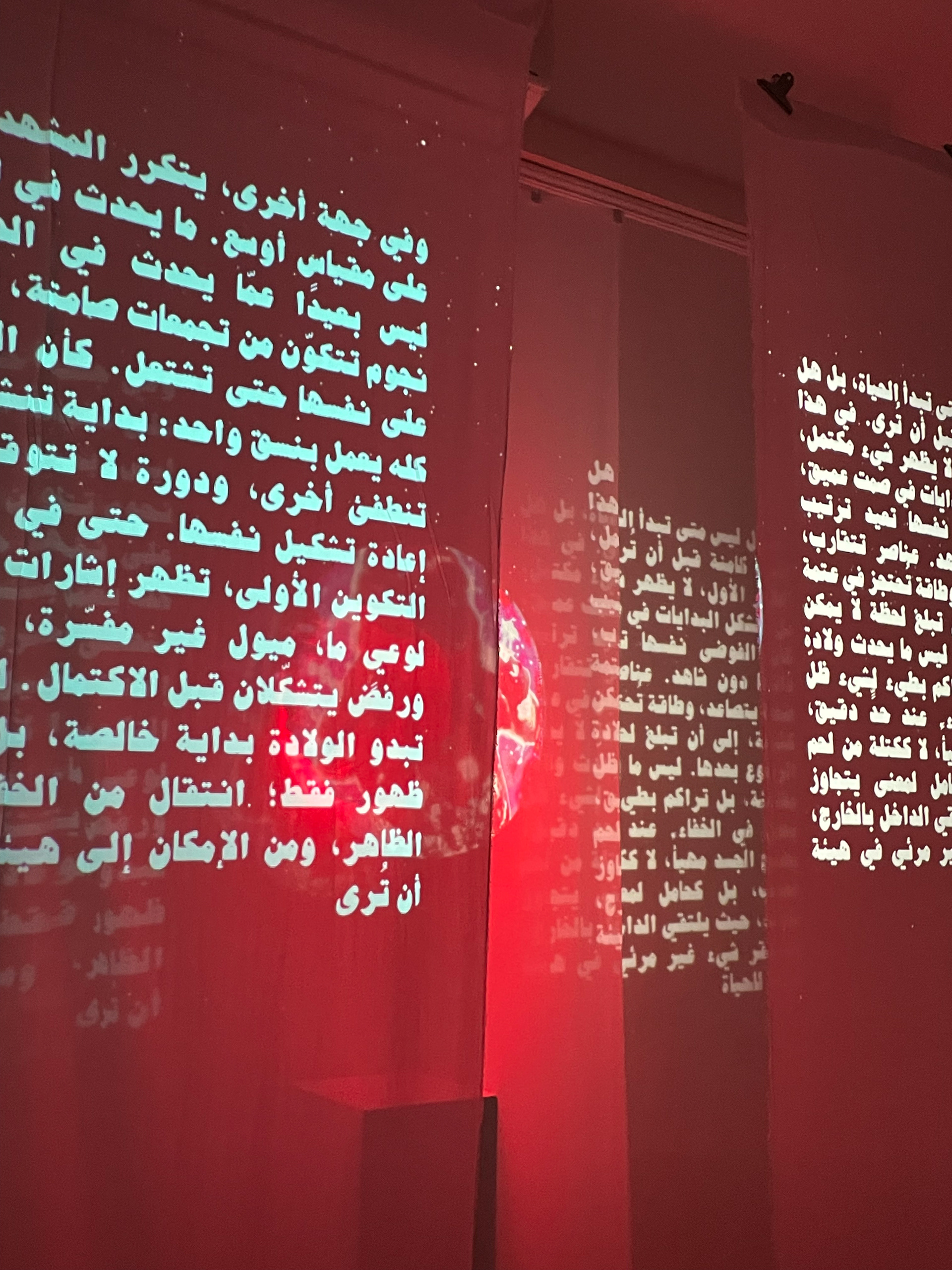
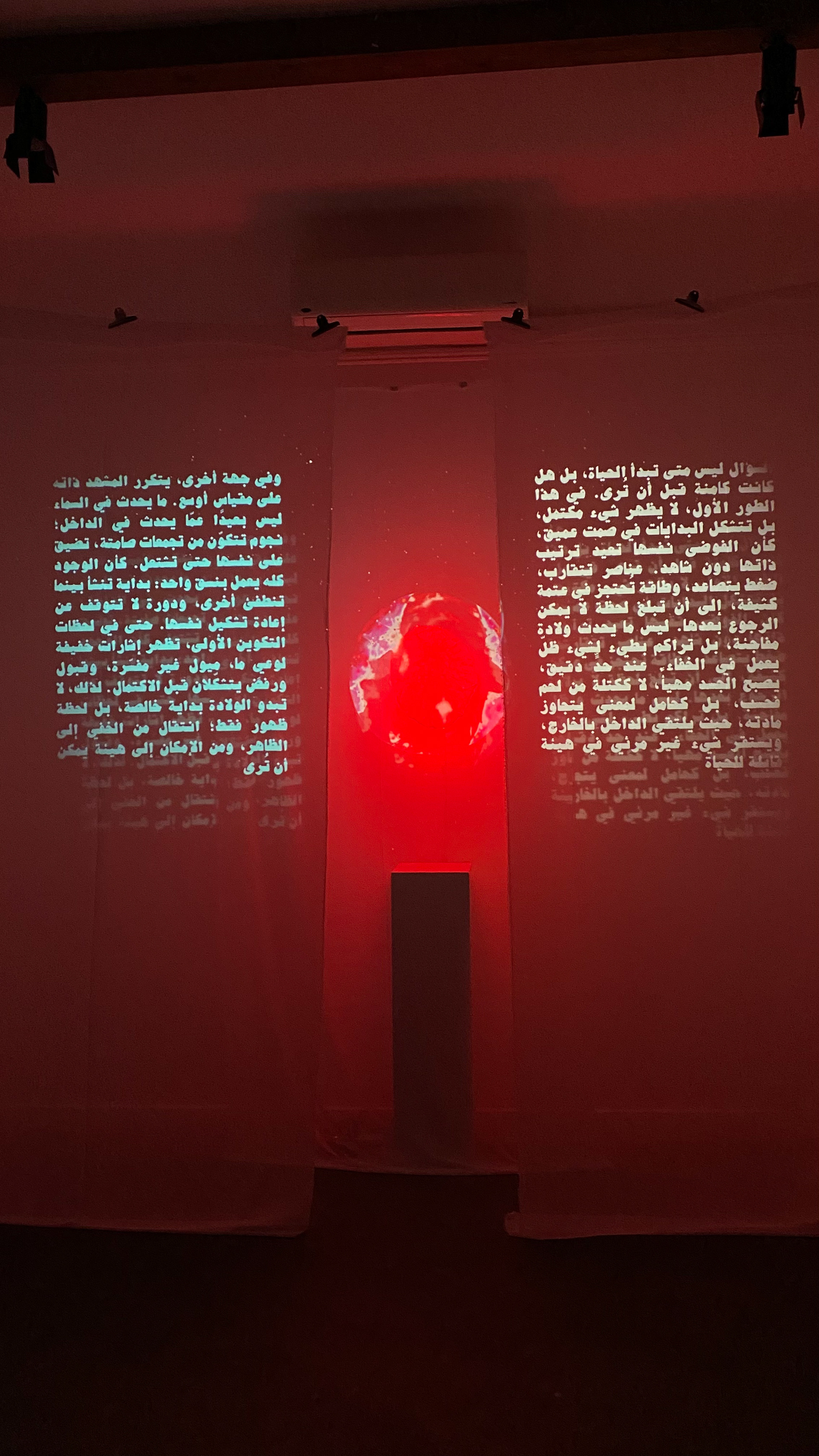
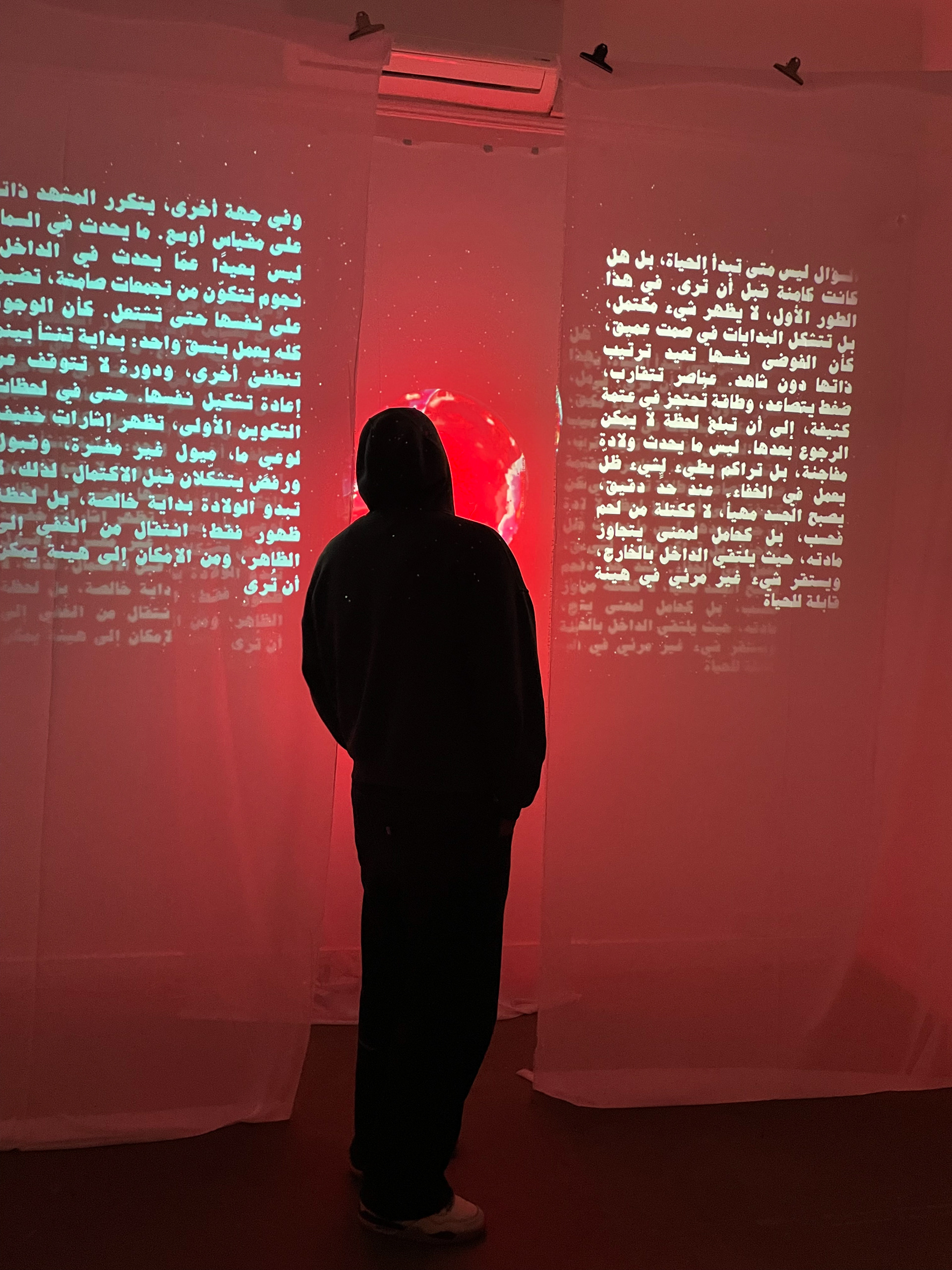
Writing became the first medium through which the work started to take shape. It was not approached as literature, but as an underlying spatial structure. Each sentence functioned as a potential scene, constructing an invisible architecture that would later inform the physical experience. The text was used to test how a cosmic phenomenon, specifically the life cycle of a star, could be translated into a human, perceptible condition. The challenge was to build a parallel between the star and the artist without reducing it to a literal or illustrative form. Through this process, the characteristics of the “Genesis” phase became clearer: it was defined by chaos, raw energy, questioning, and an emerging sense of awareness.
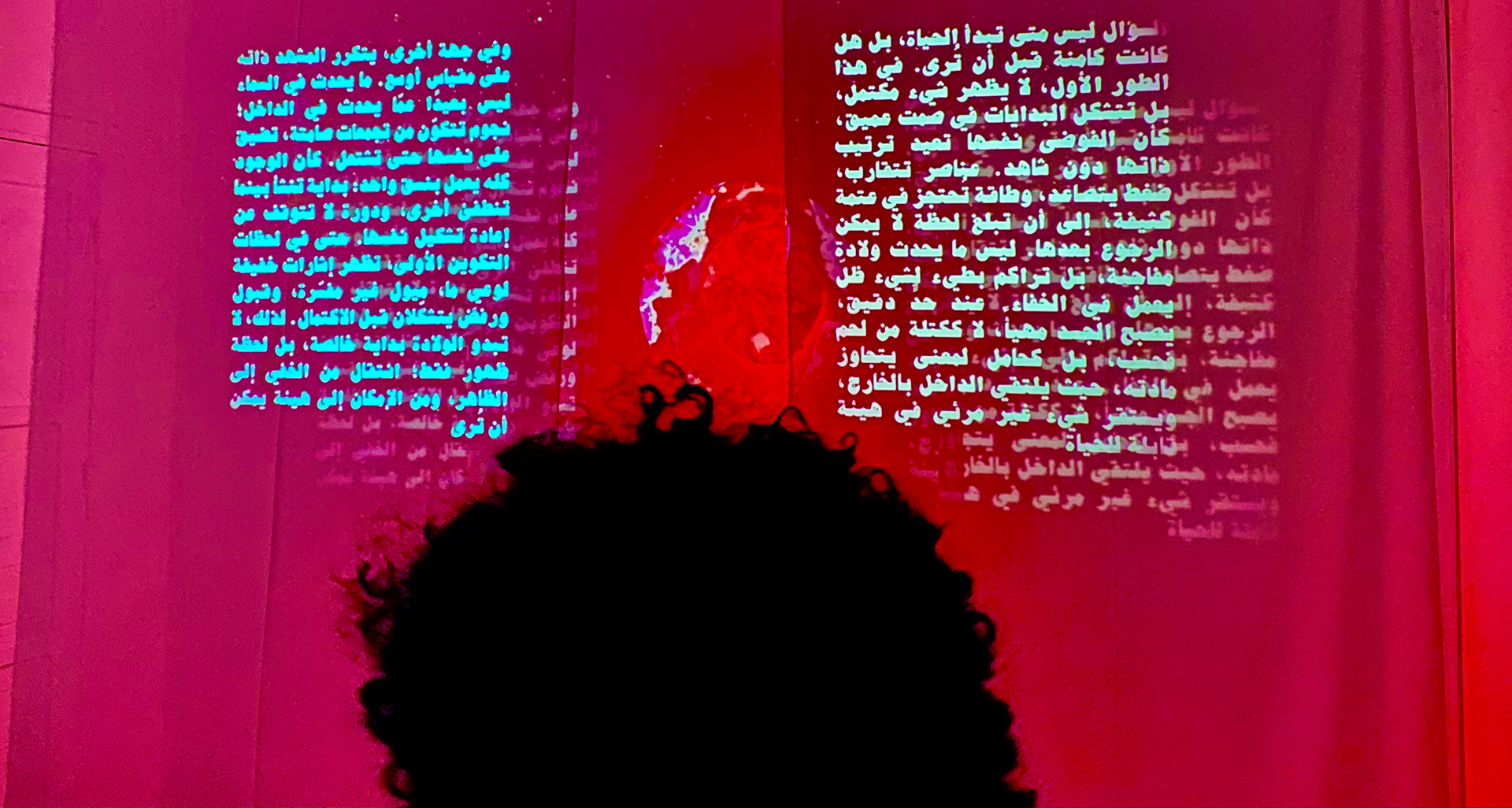
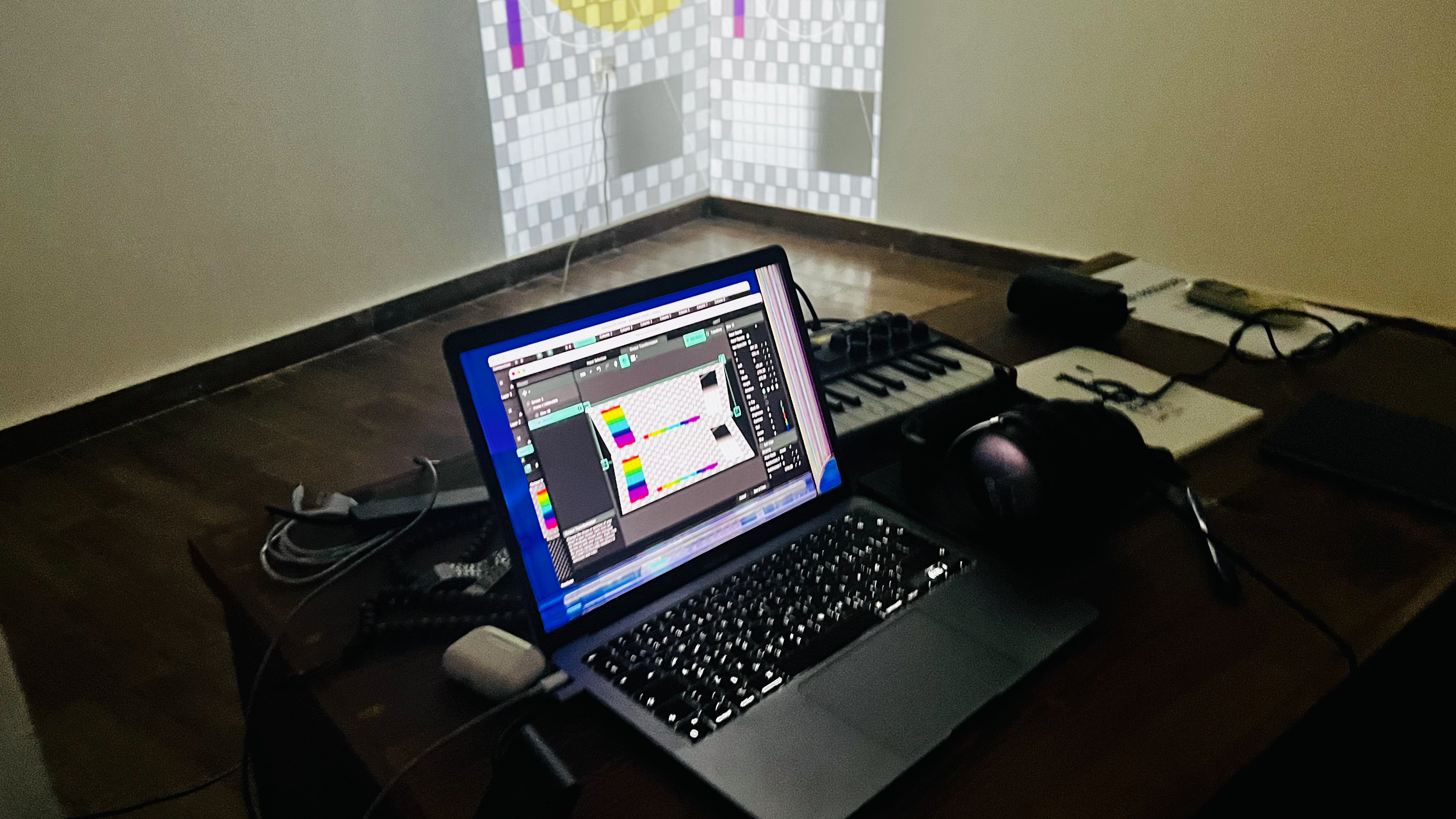
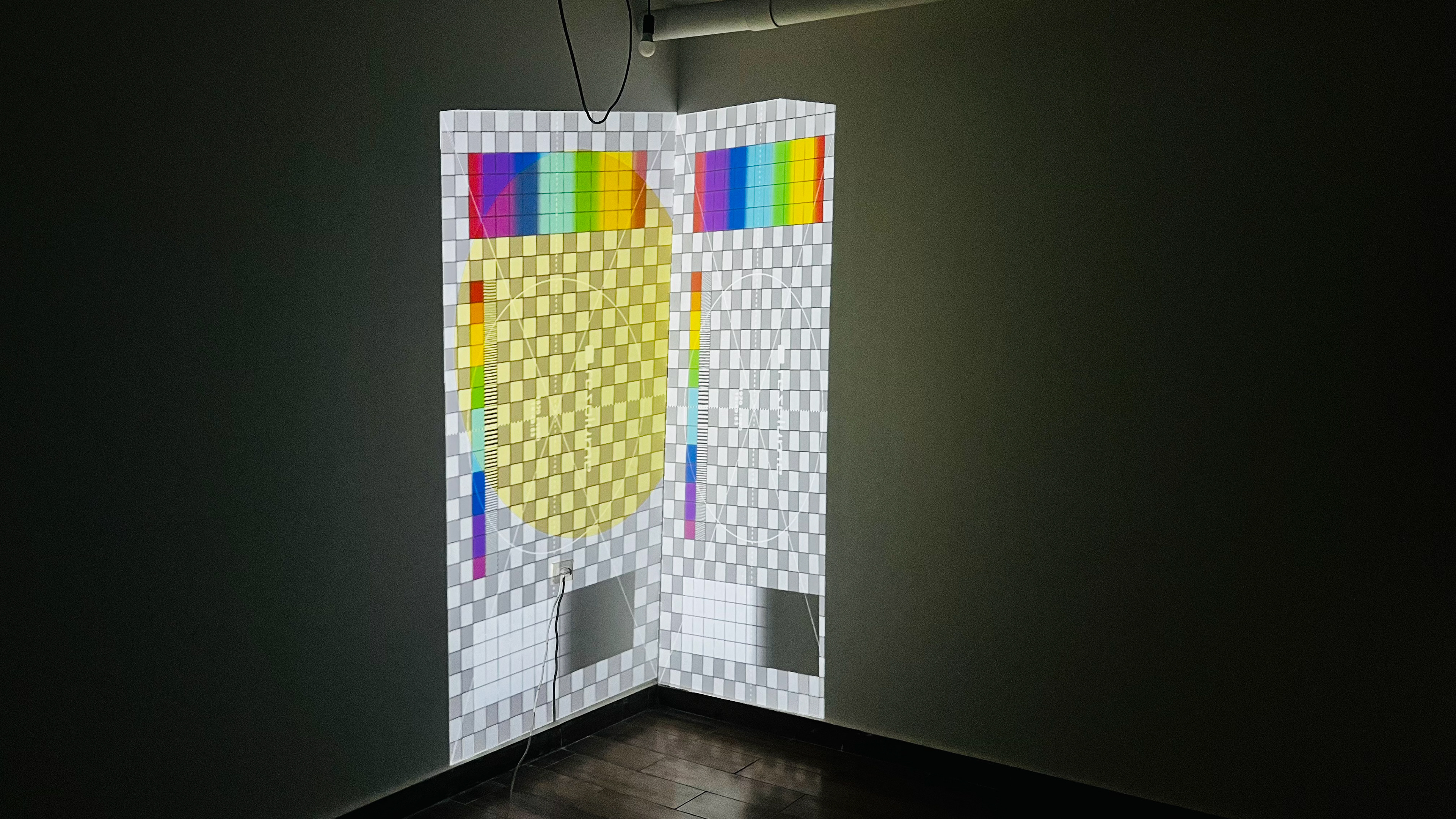
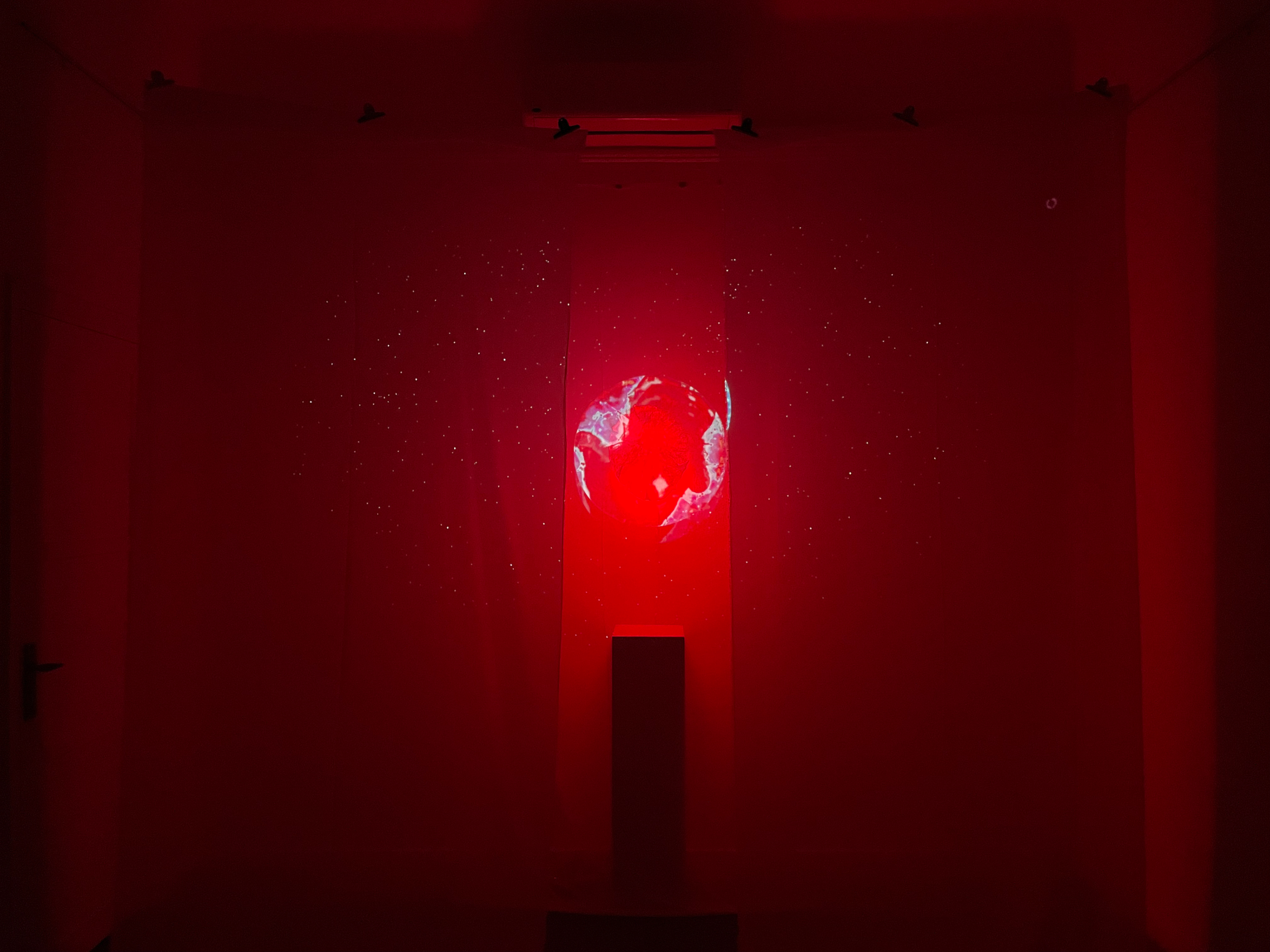
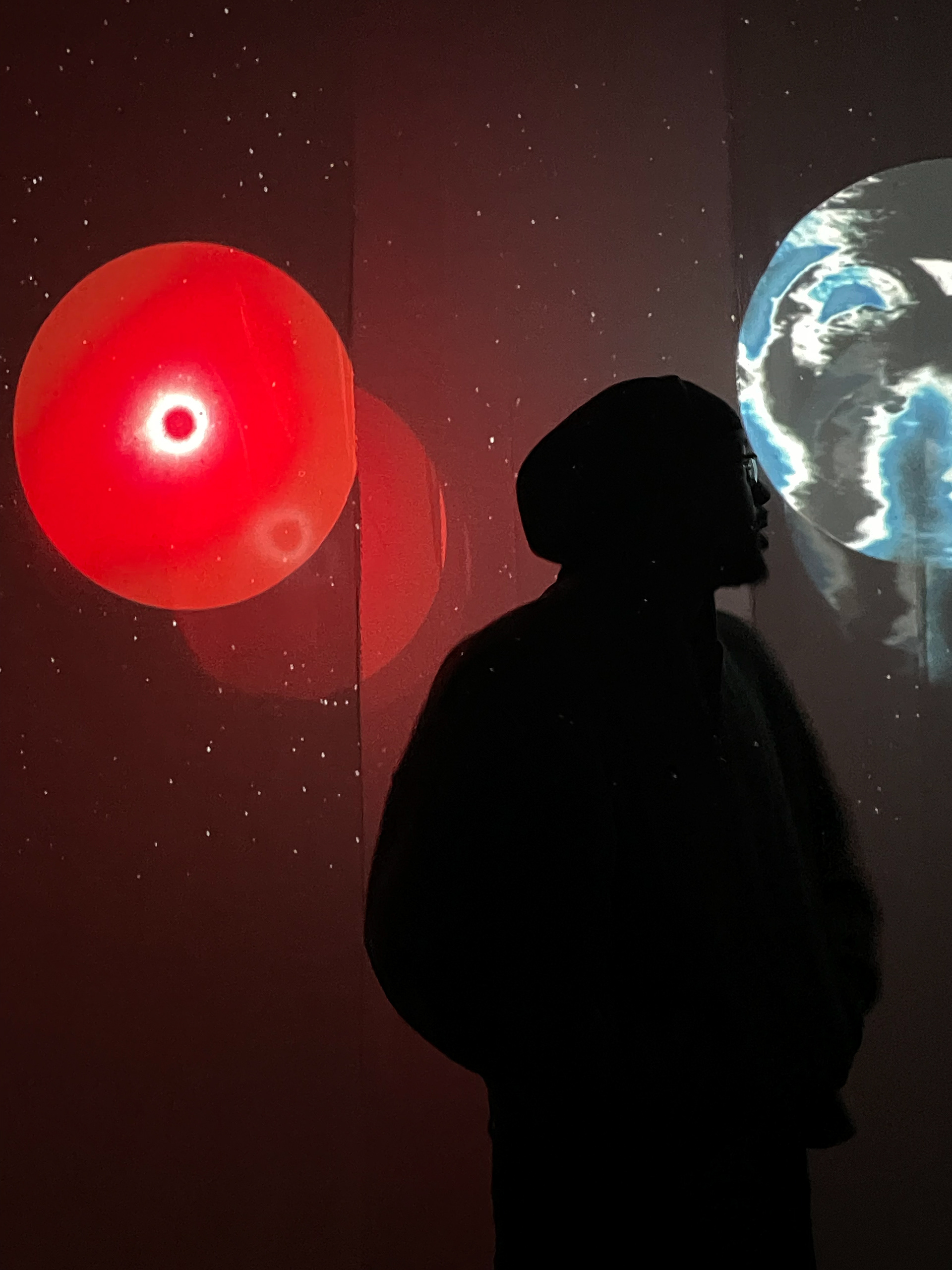
The transition from concept to space marked a critical shift in the process. The work began to evolve when the text was no longer treated as an end in itself, but as something to be embodied within a physical environment. At this point, the central question changed from what the work communicates to what the body experiences inside it. A first prototype of what can be described as a “threshold” was constructed, functioning as a transitional zone between the outside world and the internal logic of the work. In this environment, light was not used for illumination but for gradual revelation, sound was treated as a form of presence rather than background, and space was approached as a condition rather than a static container.
The development of the prototype relied heavily on experimentation, where failure became an essential method rather than an obstacle. Early attempts exposed imbalances: lighting was either too direct or too obscure, sound either overly descriptive or disconnected, and movement within the space lacked clarity. These outcomes were not considered setbacks but integral to the phase itself, as “Genesis” does not produce a resolved form but emerges through continuous testing and refinement. The focus shifted toward interaction, observing how individuals moved within the space, where hesitation occurred, and at what point they transitioned from observing the work to being immersed within it. Through this process, the prototype began to evolve not as a fixed design, but as a behavioral system.
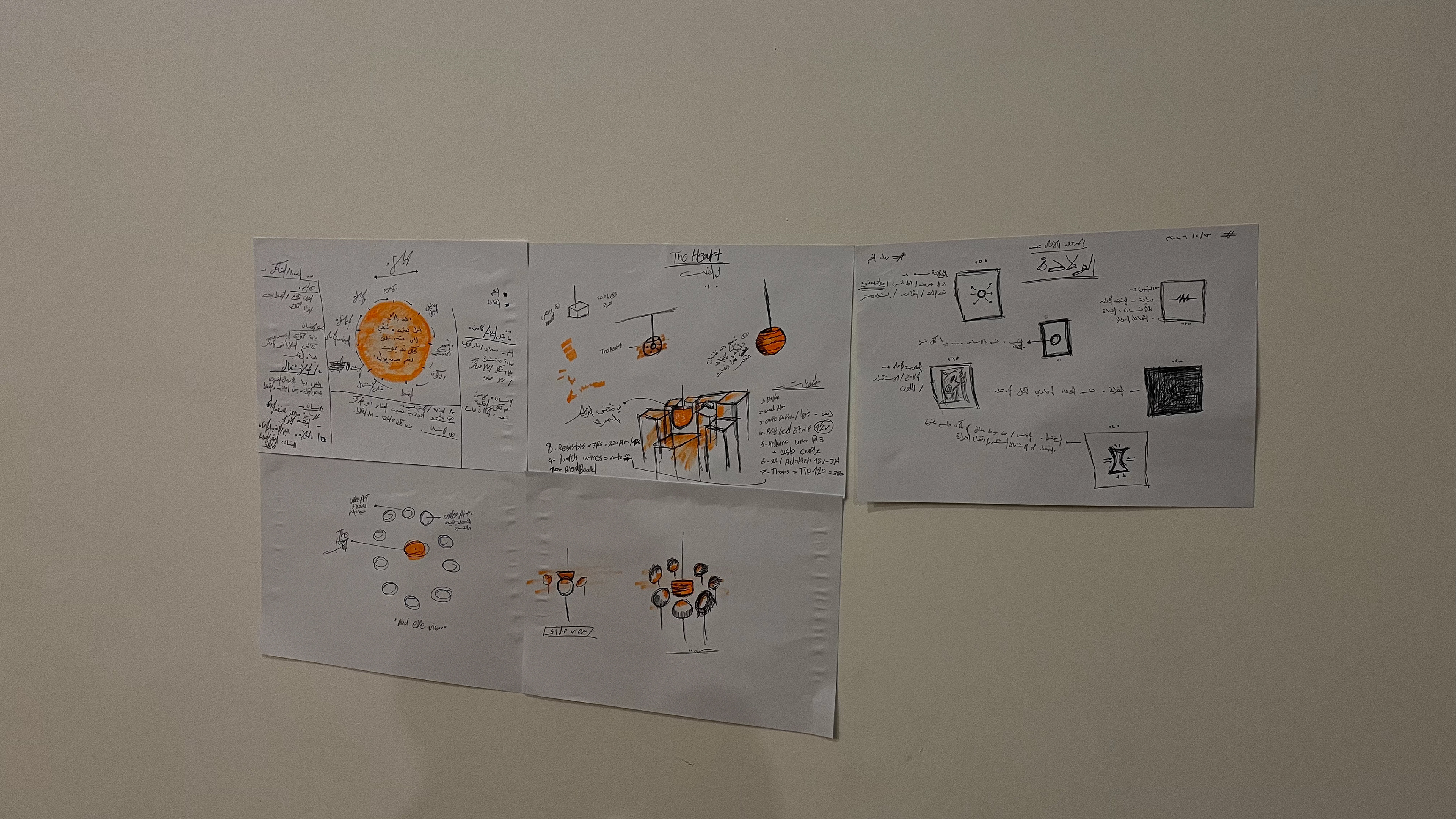
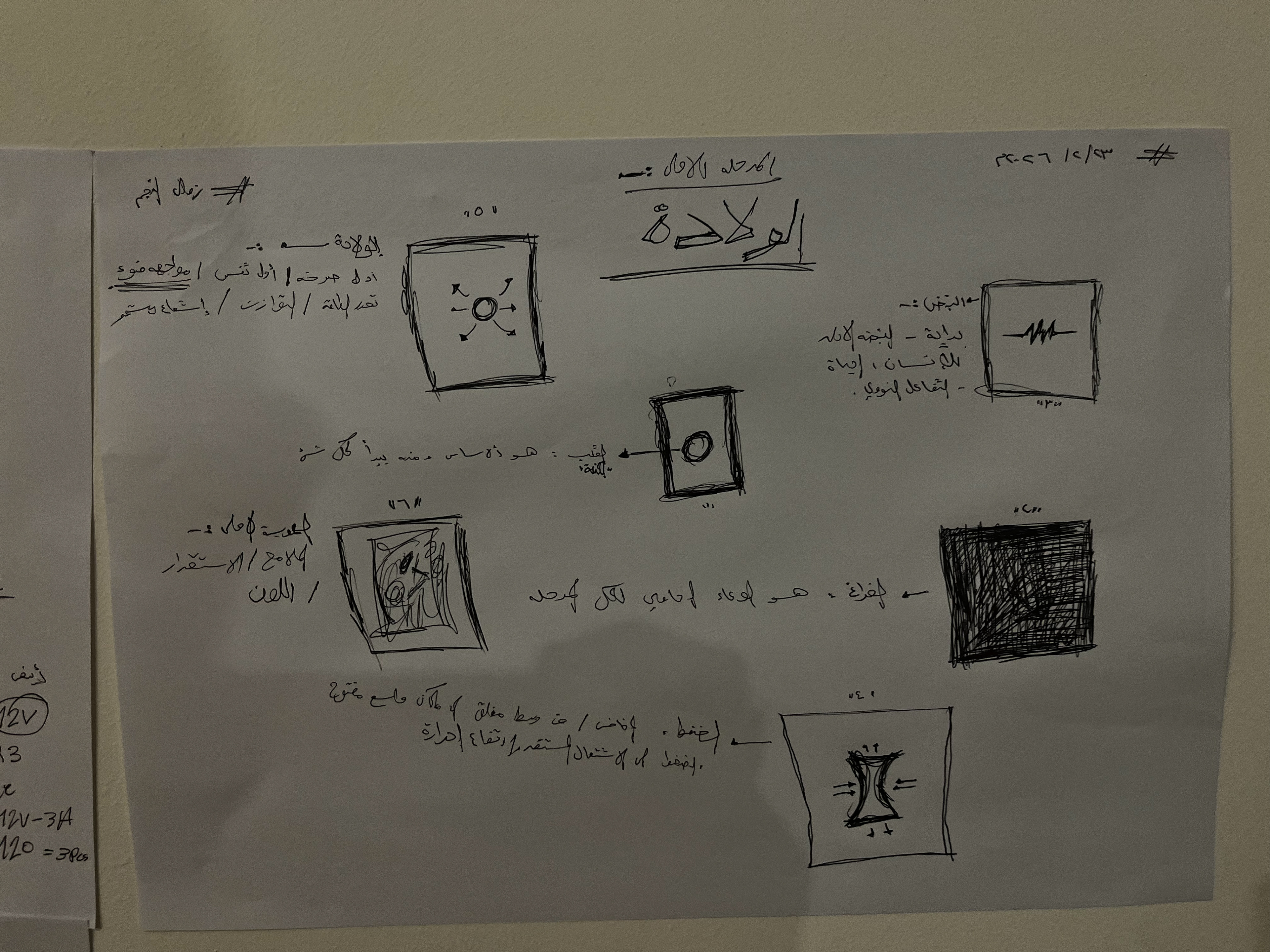
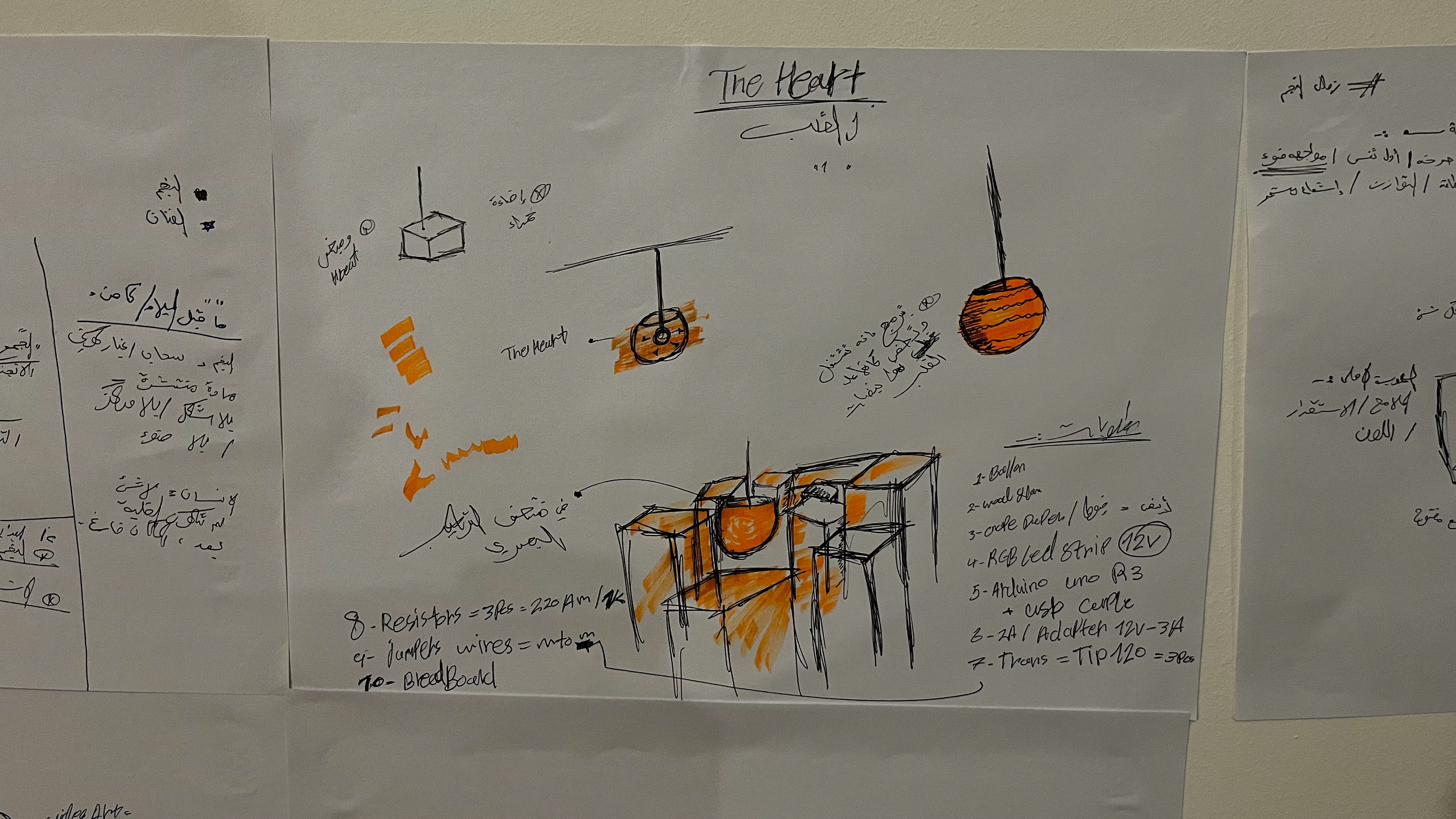
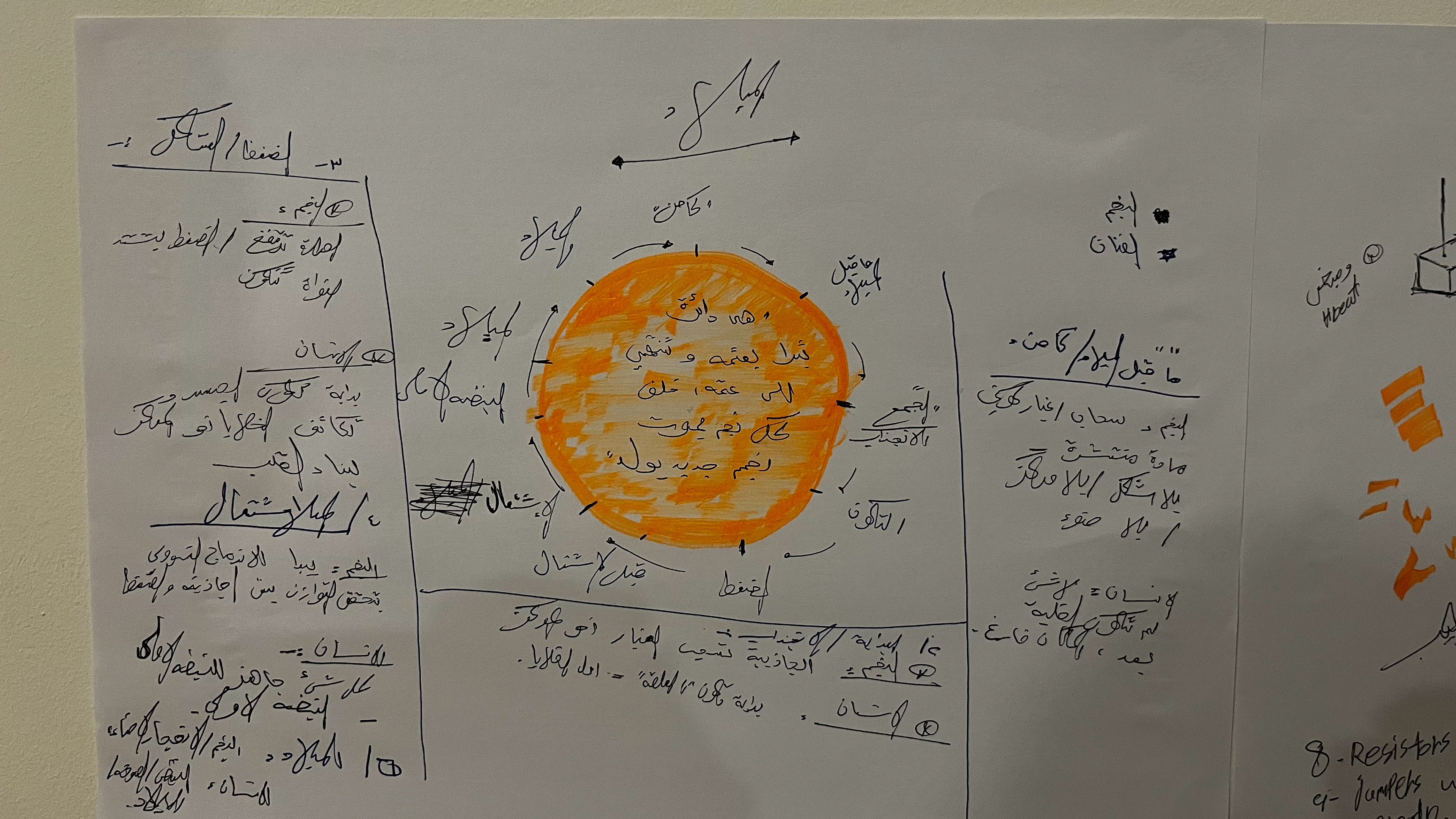
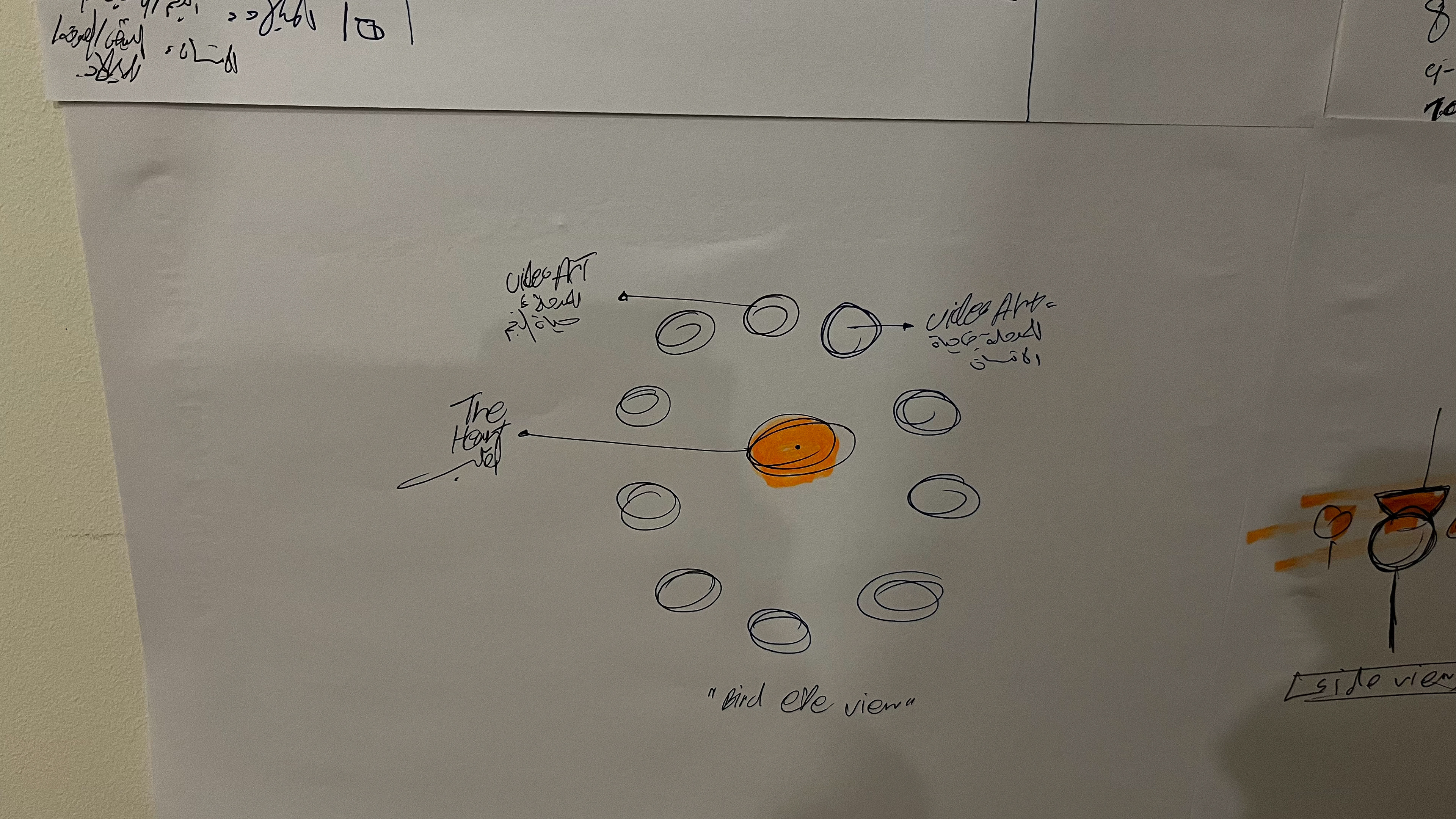
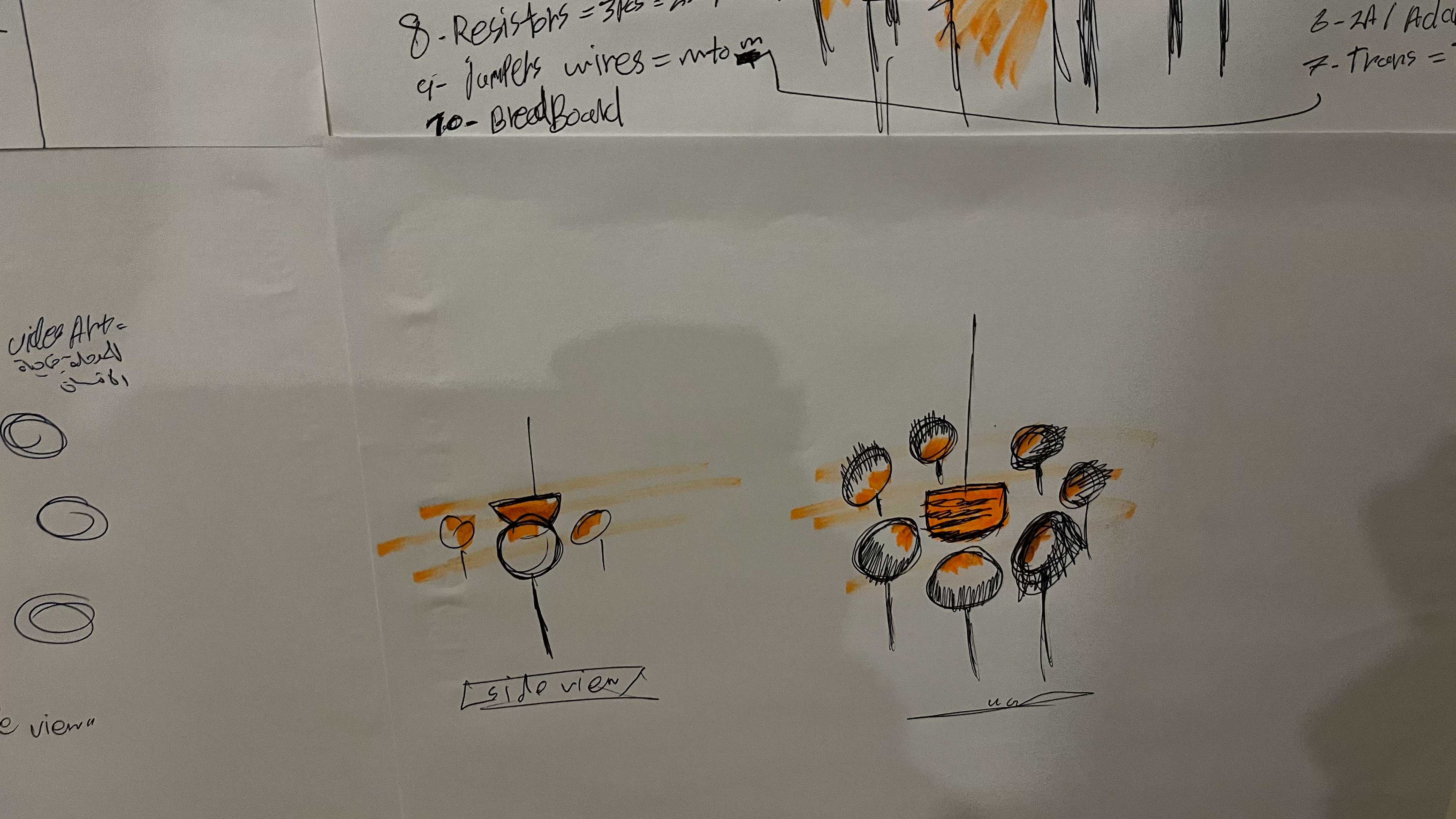
At a certain stage, the work reached a moment of alignment where its elements—light, sound, space, and the body—began to operate in relation to one another. This did not result in a clear narrative, but in a coherent experiential condition characterized by entry, hesitation, and discovery. “Genesis” started to manifest not as a visual composition, but as a lived experience that unfolded through the presence and movement of the participant.
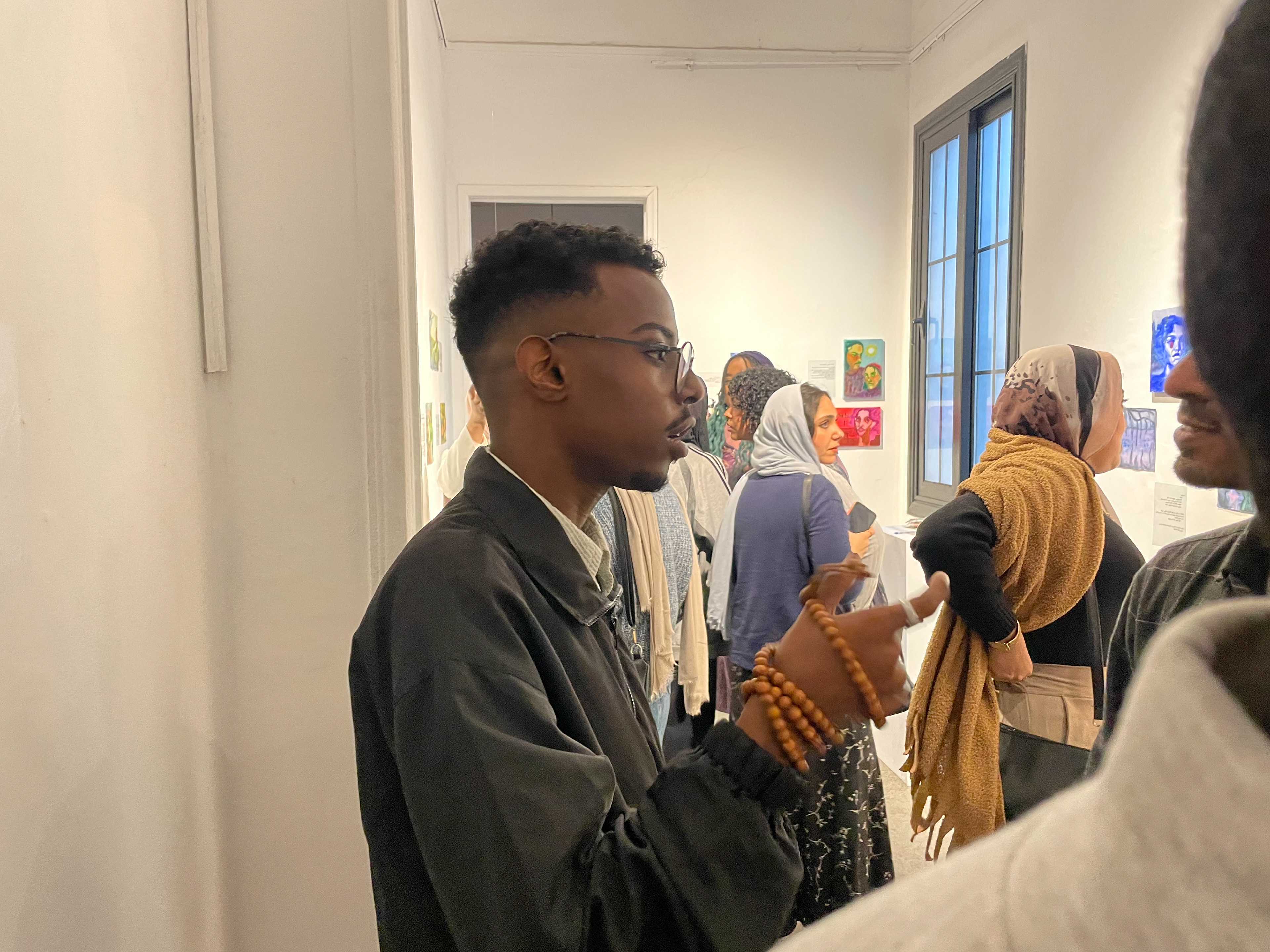
The final presentation of the prototype was not intended to showcase a completed work, but to expose a phase of development. The audience was not positioned as passive viewers, but as active participants whose presence directly influenced the work. Their movement within the space became part of its structure, and their responses contributed to its ongoing formation. Rather than providing explanations, the work placed the audience within the same condition from which it originated: one of uncertainty, questioning, and exploration.
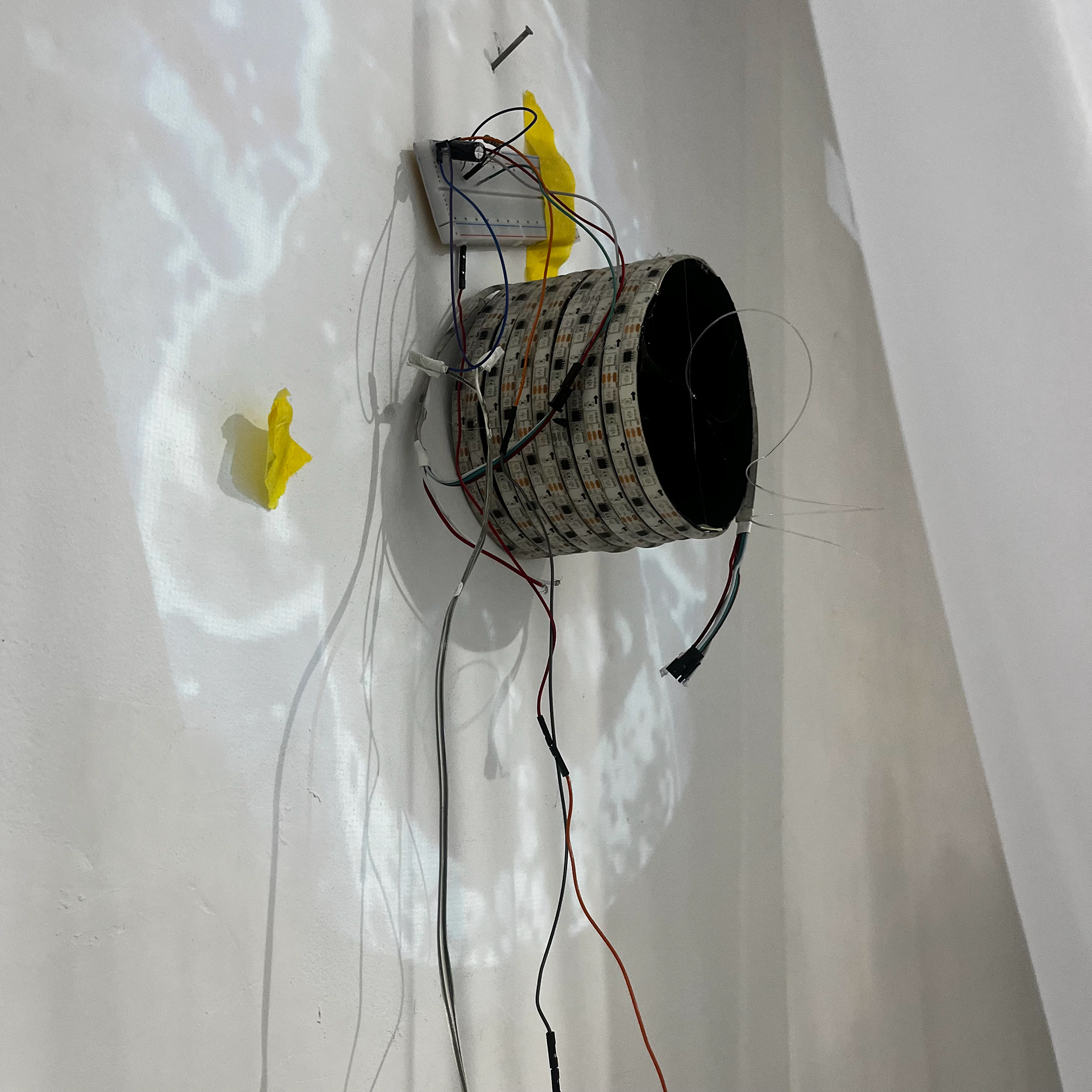
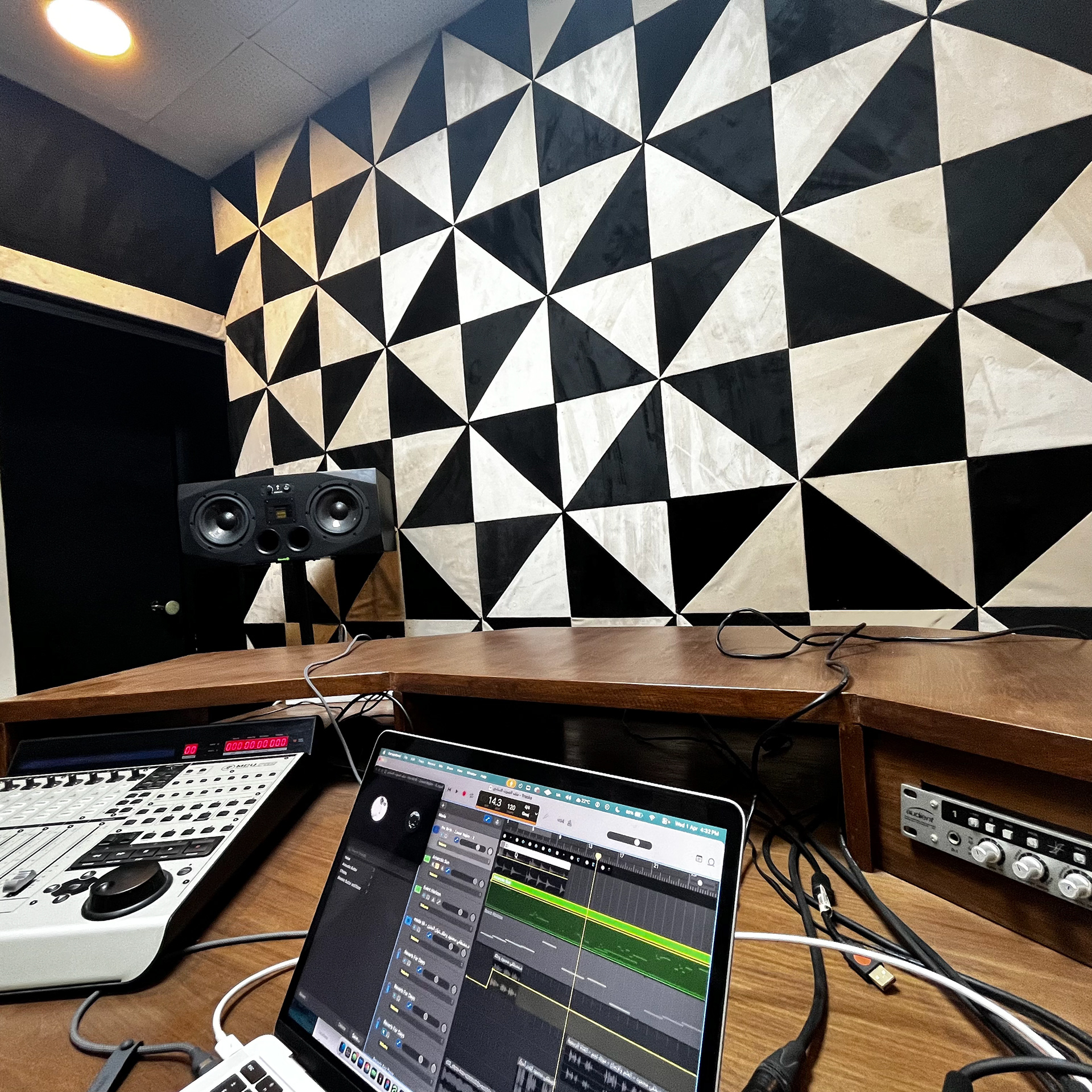
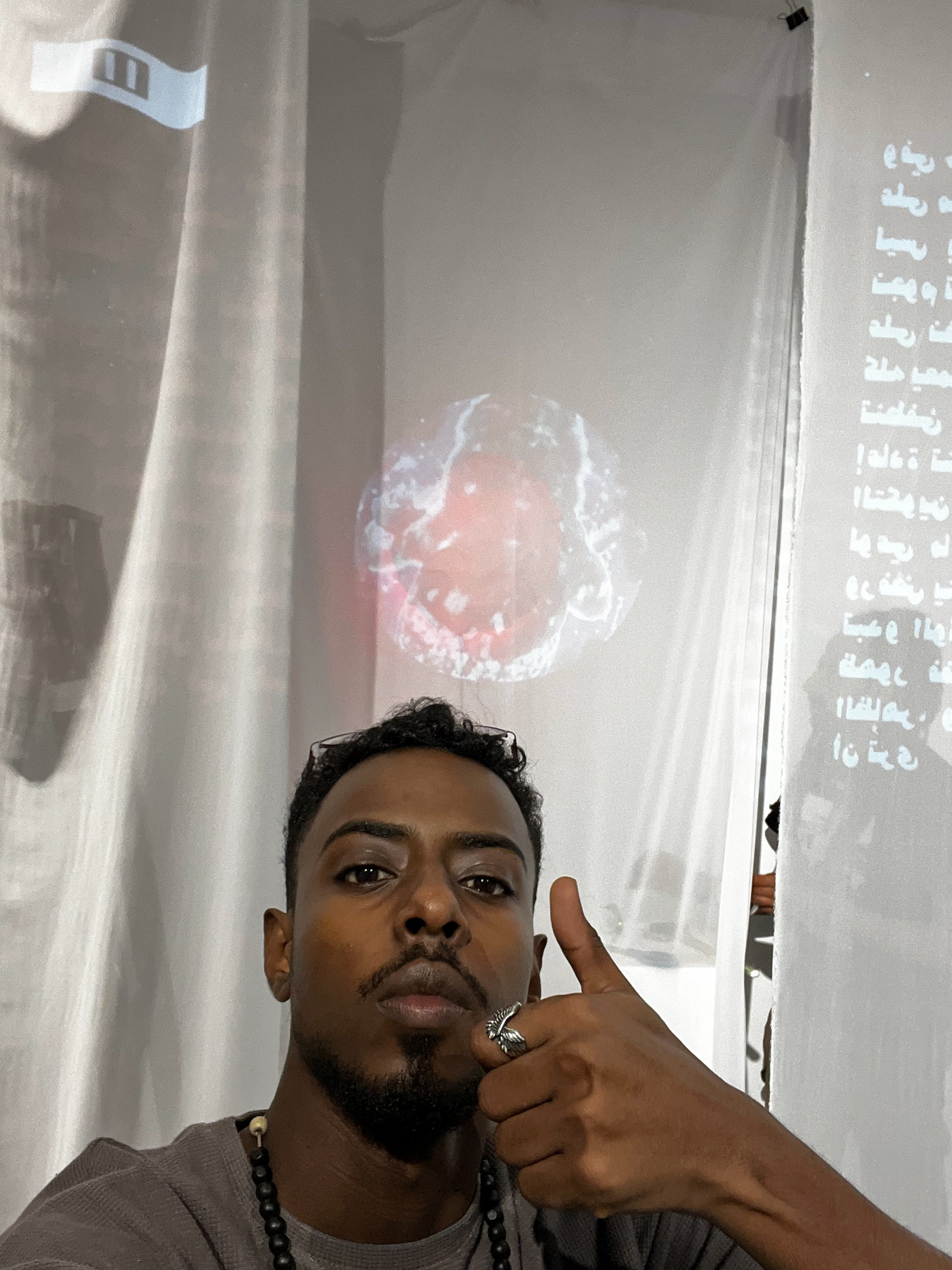
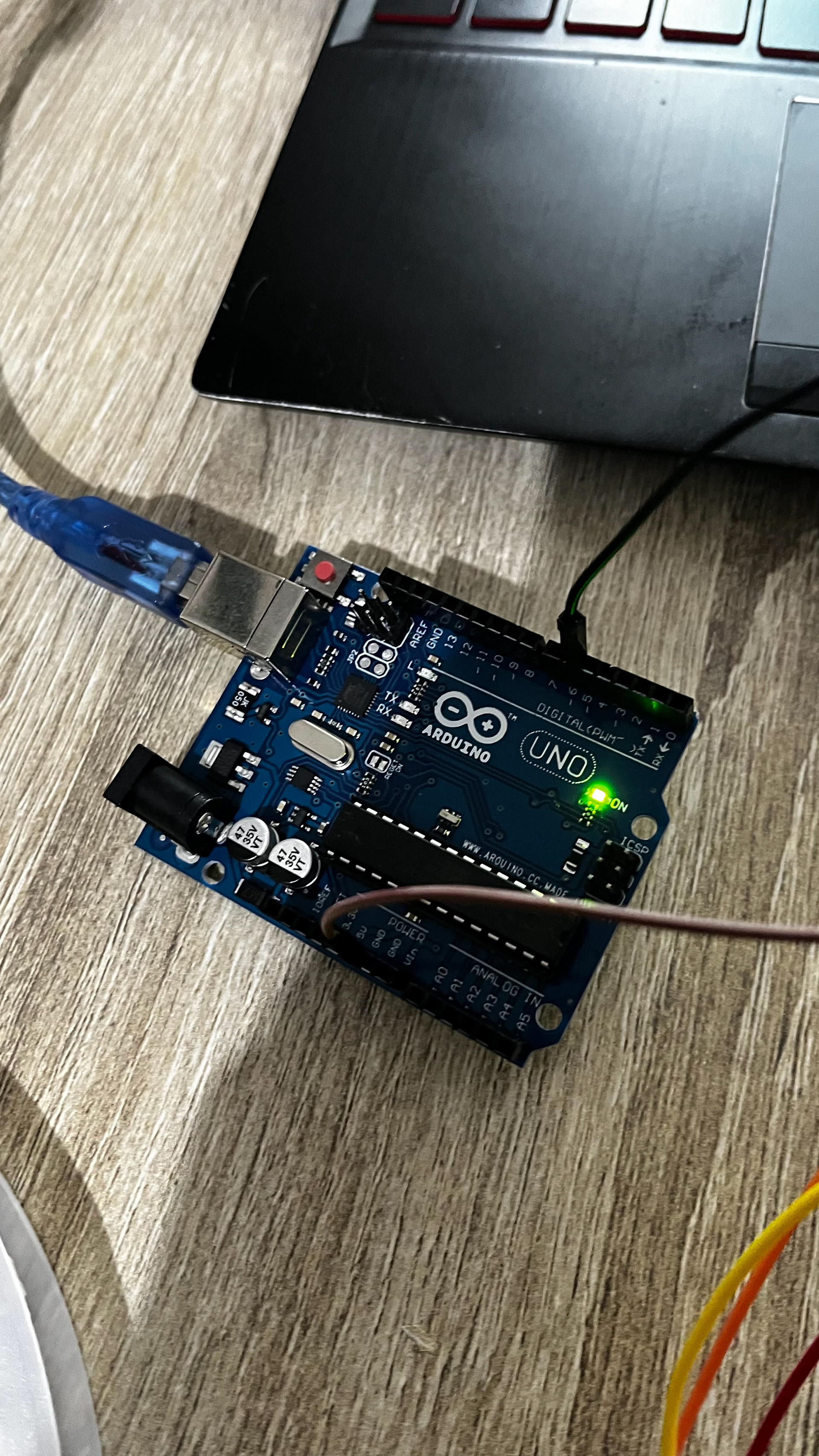
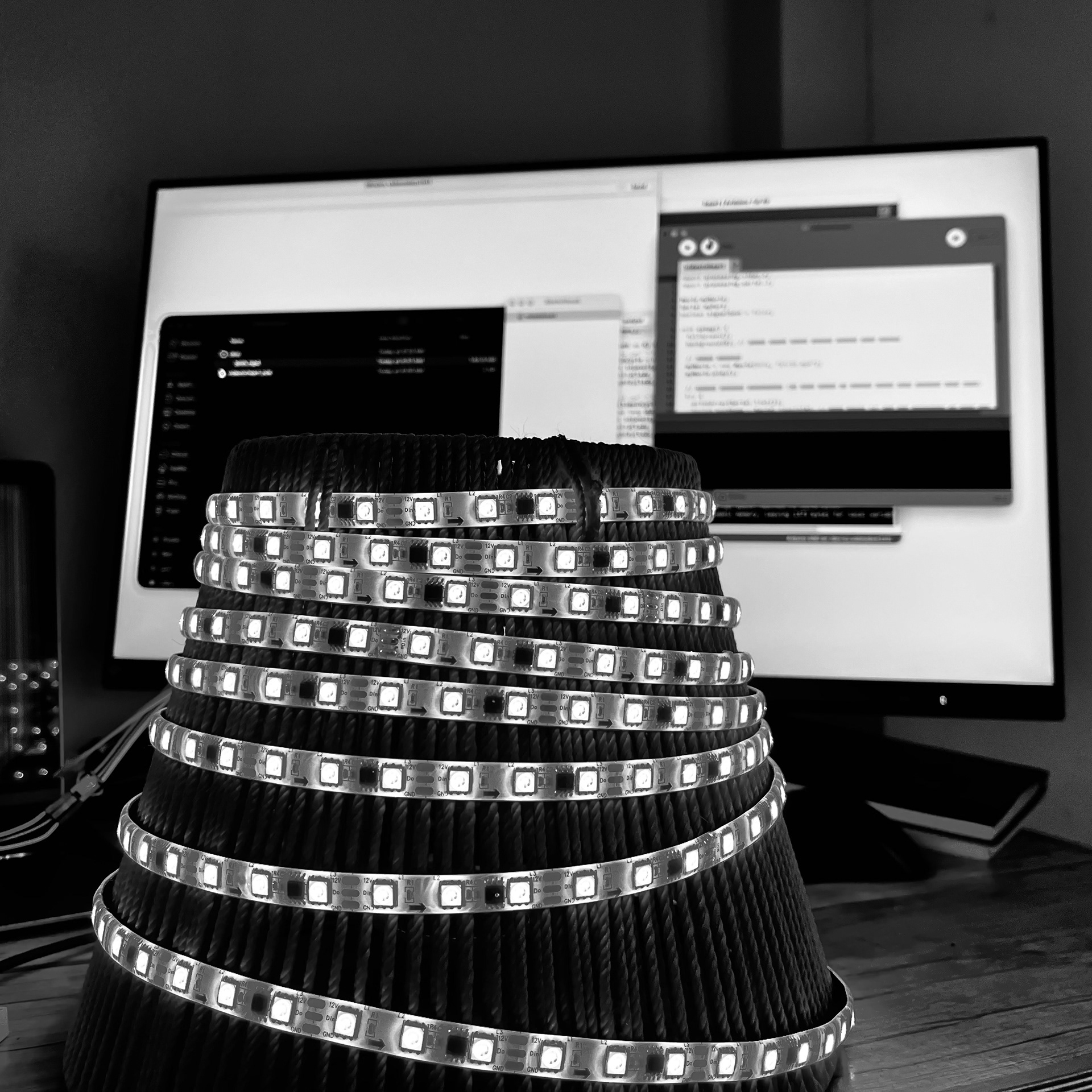
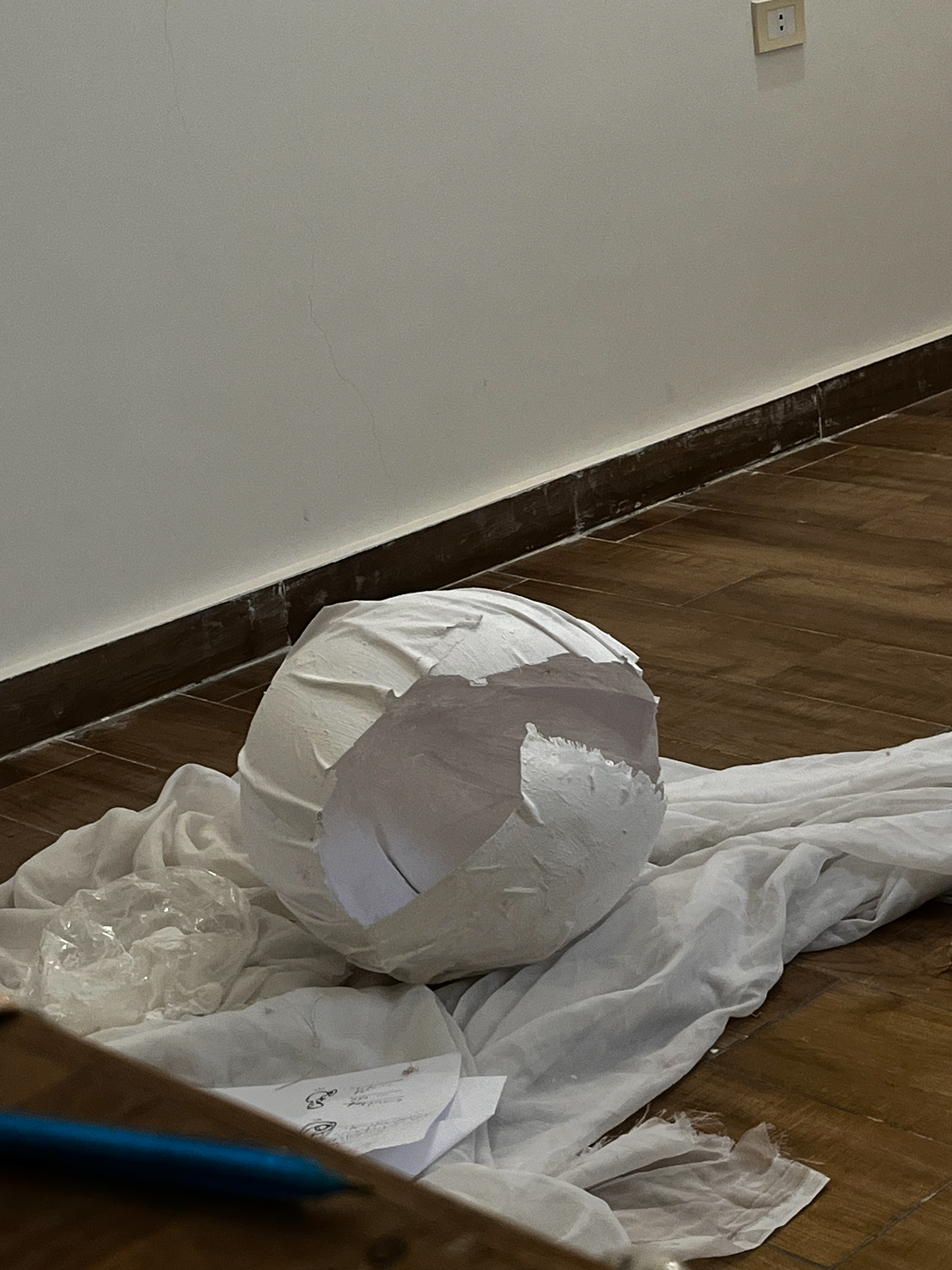
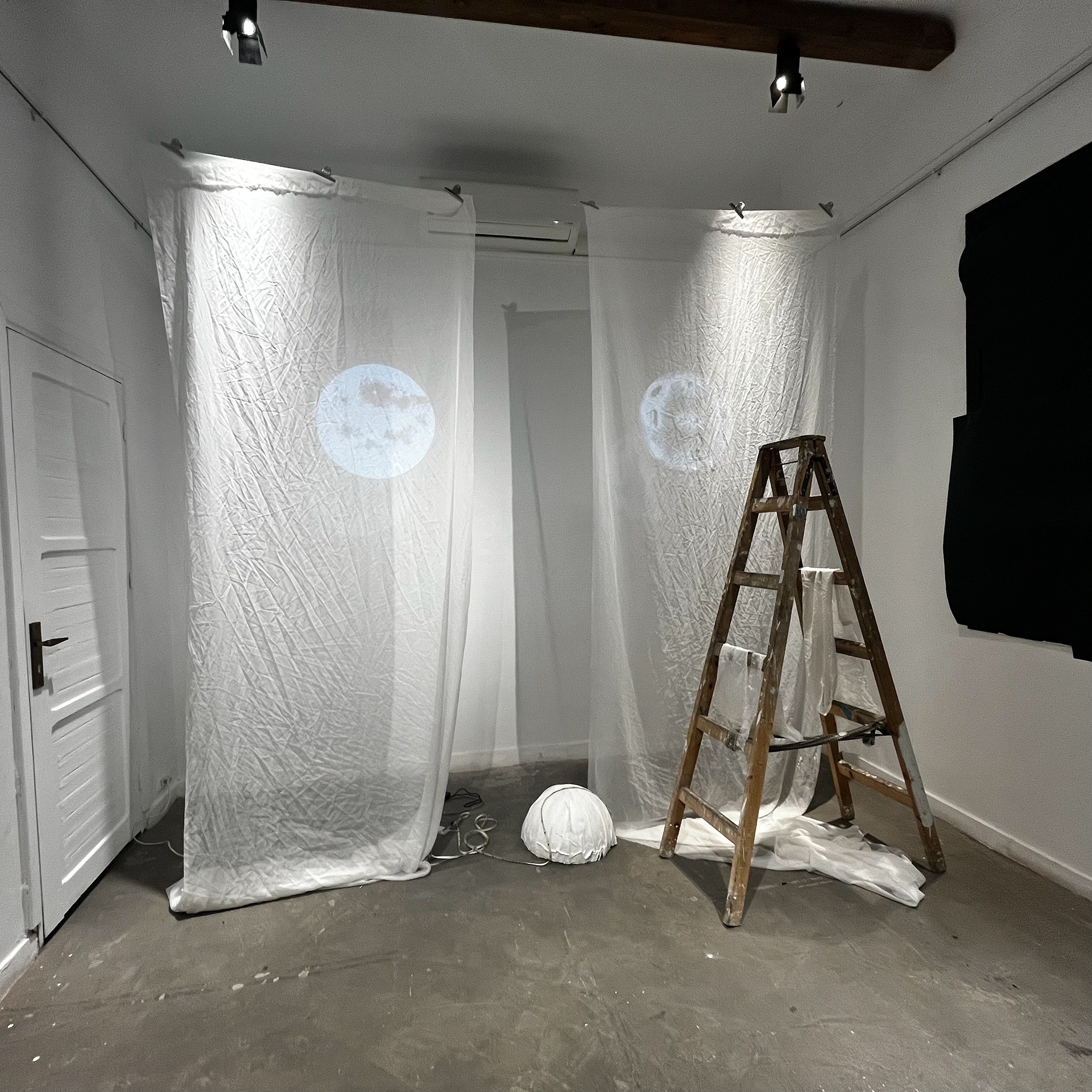
The outcomes of this phase included a functional prototype for the “Genesis” stage, a spatial experience constructed through the integration of light, sound, and interaction, a narrative text forming the conceptual foundation, and visual documentation of the testing and development process. However, the phase remains intentionally unresolved. “Genesis” cannot be fixed into a stable form, as it is inherently defined by instability and continuous formation. The central question that remains is whether a moment of becoming can ever be fully stabilized.
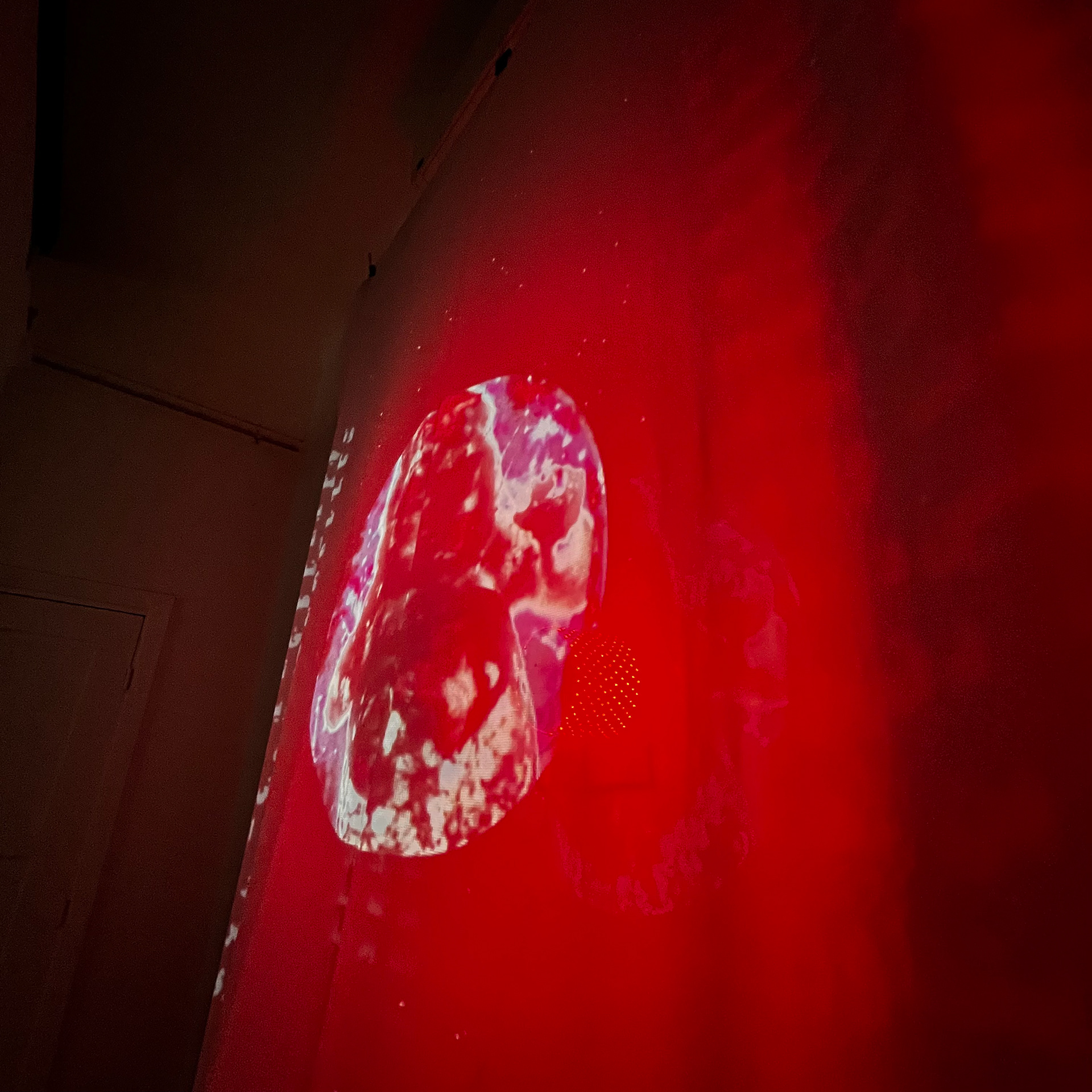
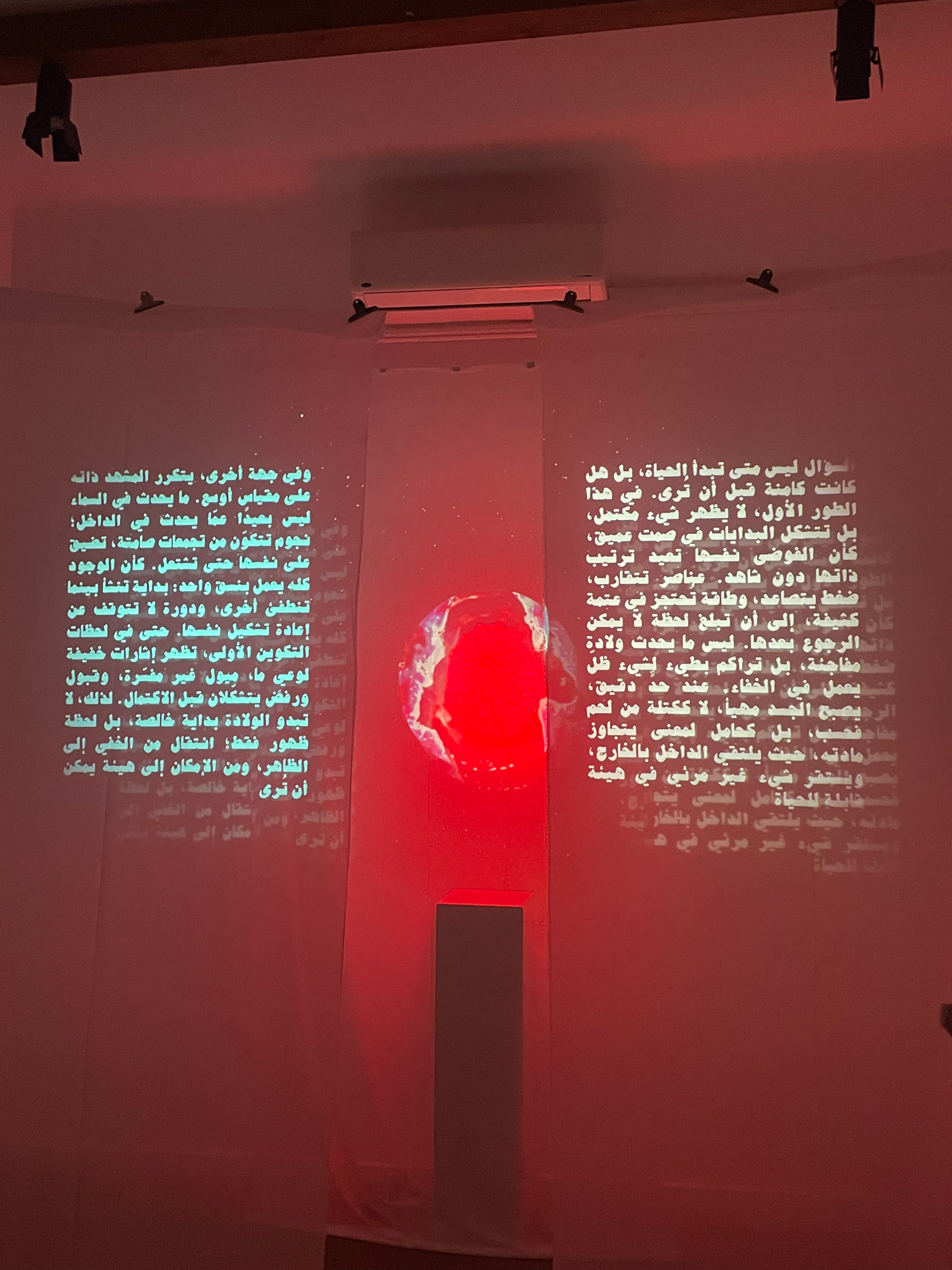
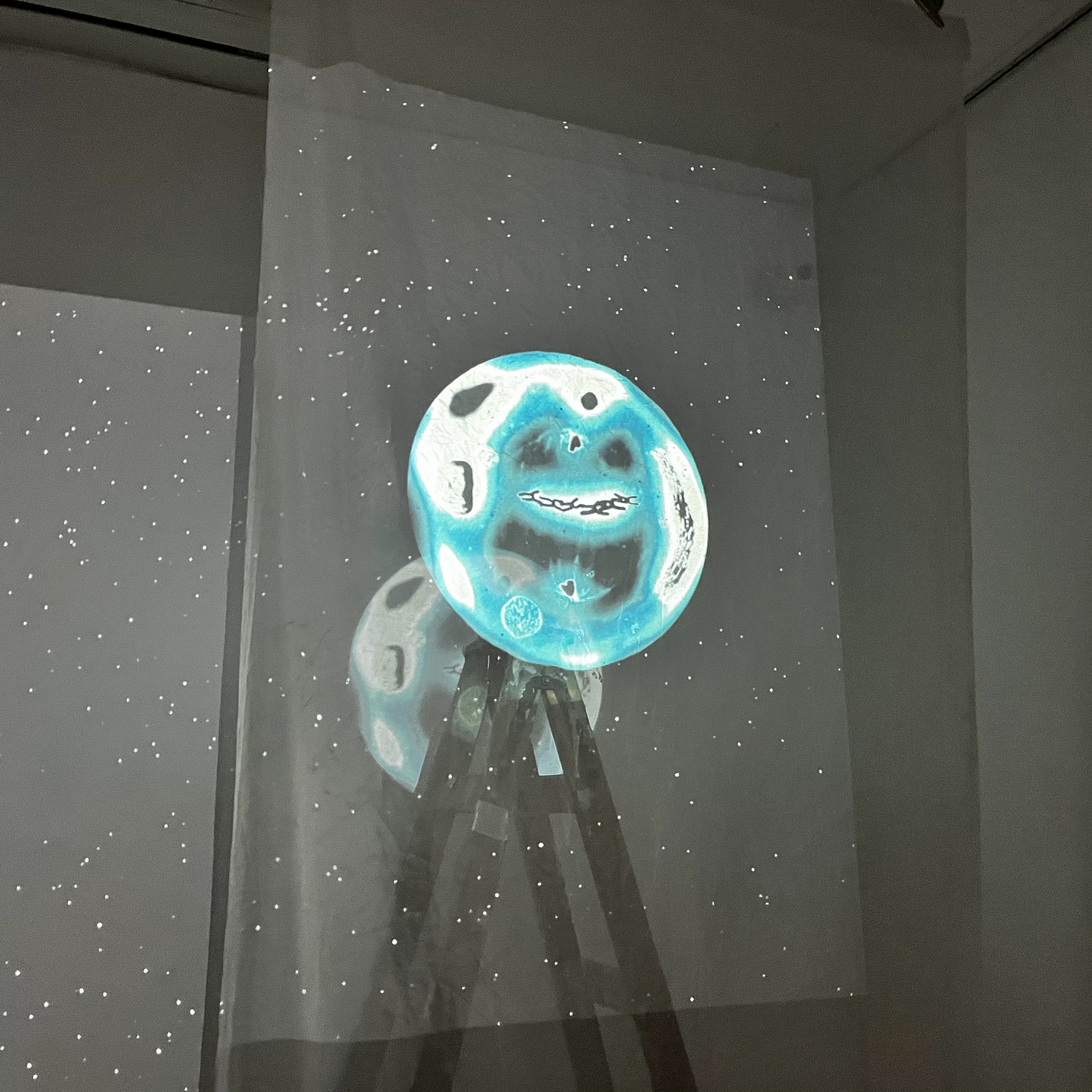
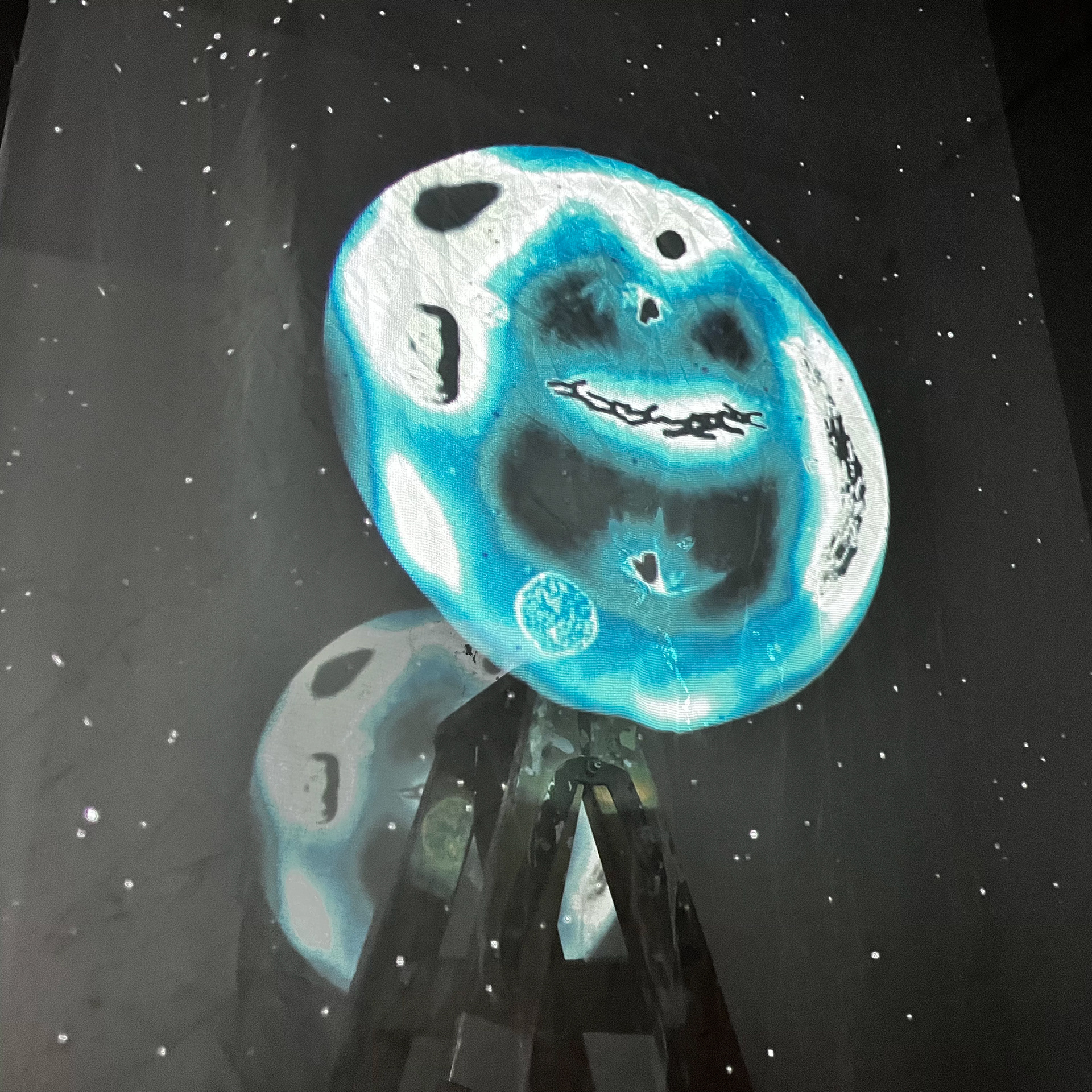
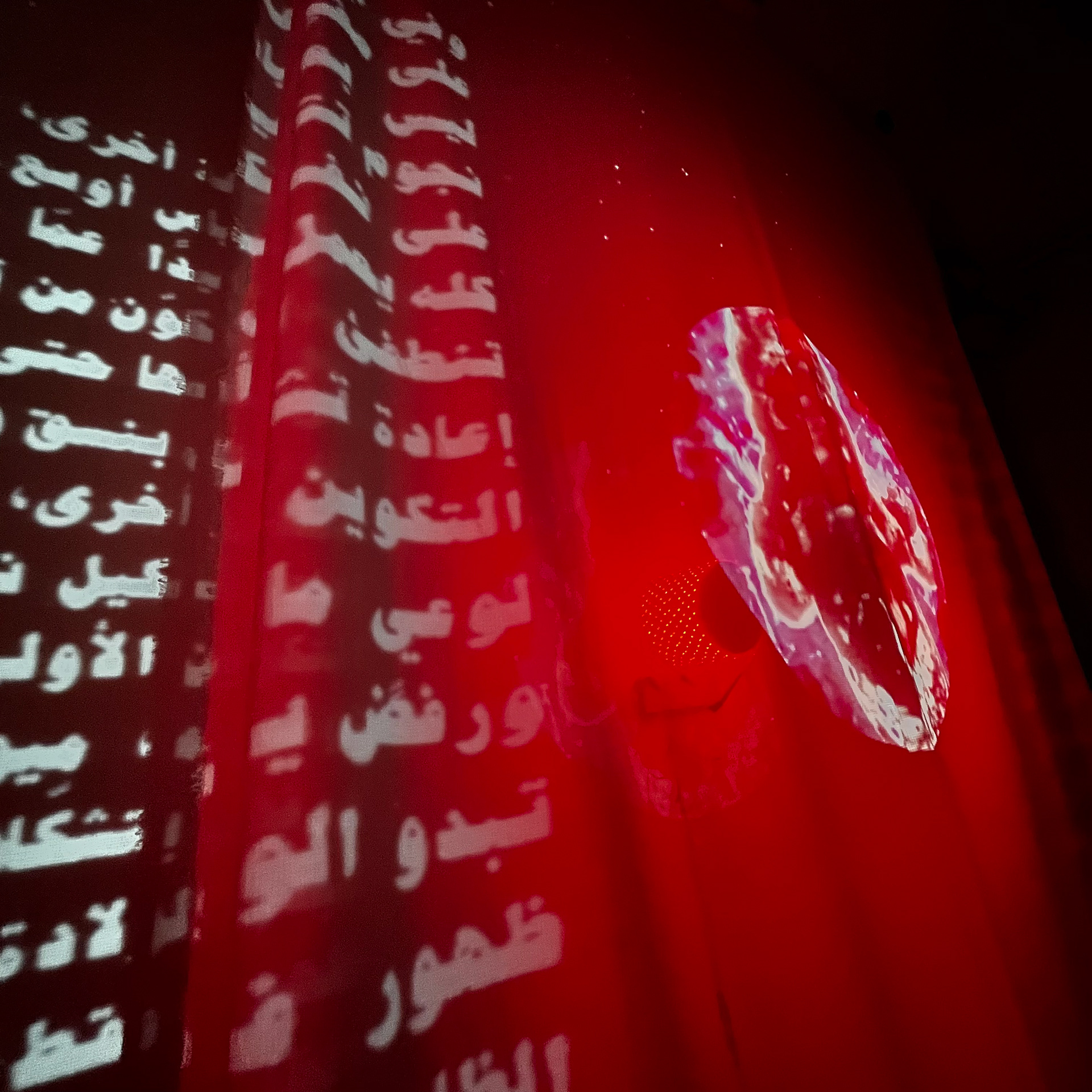
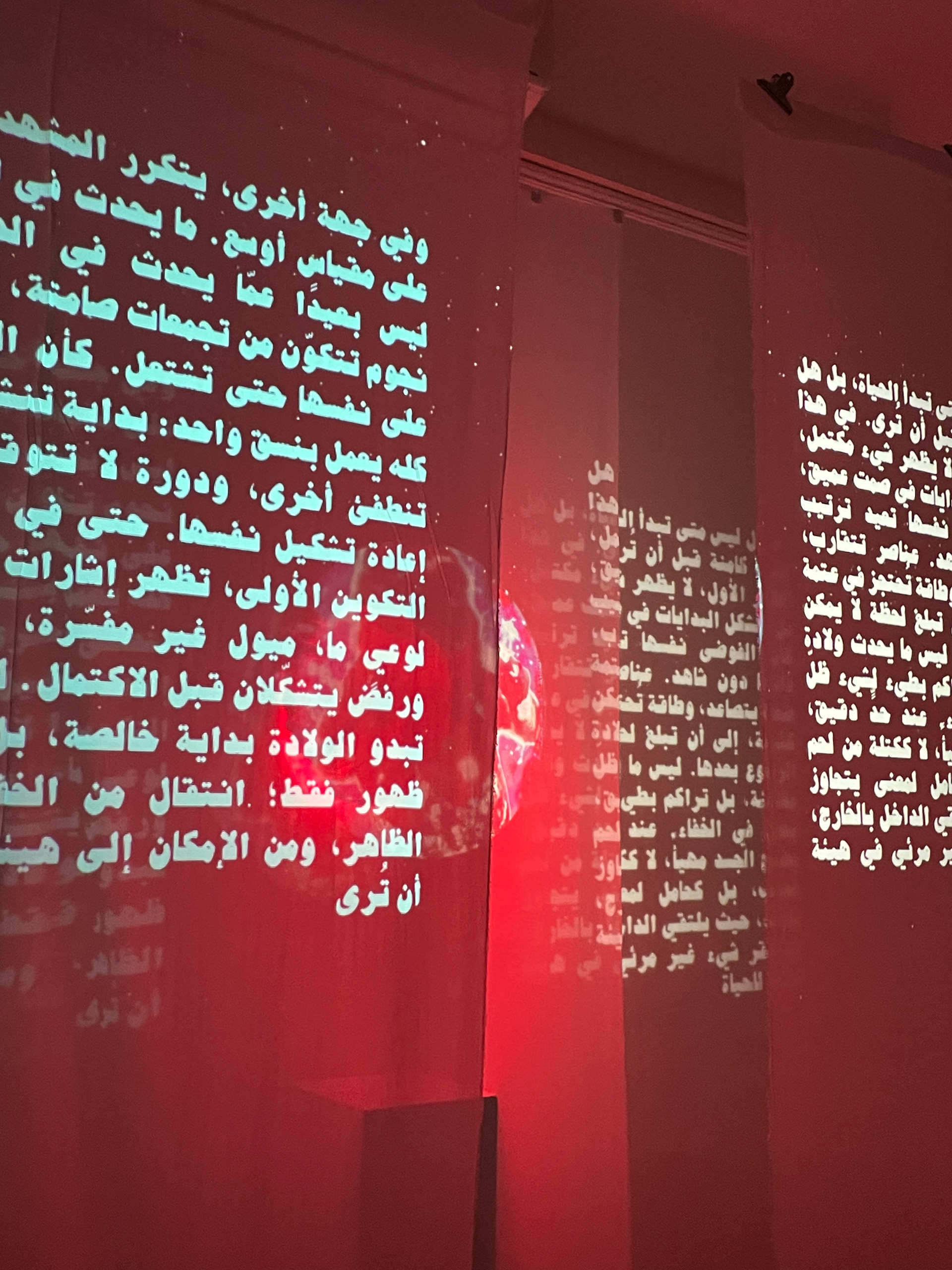
This phase was not about initiating a project in a conventional sense, but about understanding the conditions under which something can begin from nothing. “Genesis” is not a singular event, but an ongoing state of becoming that continues to evolve beyond the boundaries of this initial prototype.